
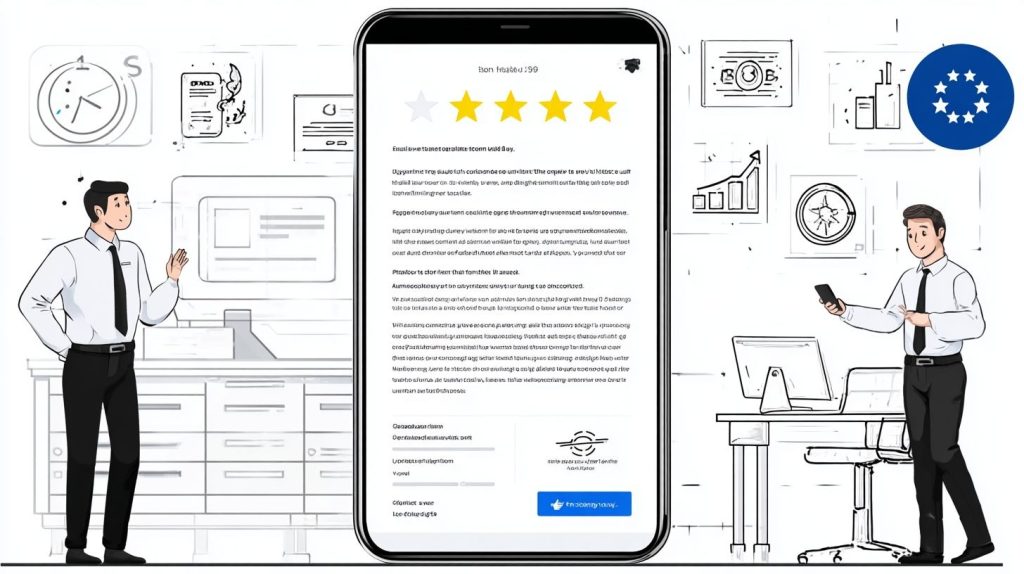
In a marketplace flooded with skepticism, verified reviews stand as the gold standard for trust, with studies from BrightLocal showing 87% of consumers read them before buying.
Discover how these authentic endorsements prevent fakes, leverage social proof, boost SEO, drive conversions, and elevate your brand above competitors.
Unlock proven strategies to collect, showcase, and measure their impact-what’s your next move for online growth?
What Are Verified Reviews?
Verified reviews are customer feedback confirmed through purchase data or third-party validation, distinguishing them from unverified opinions. These FTC-compliant reviews link directly to actual transactions using order IDs, email confirmations, or platform checks like Trustpilot Verified or Amazon Verified Purchase.
Unverified reviews often come from anonymous sources or include incentives, which can undermine review authenticity. In contrast, verified ones provide genuine feedback that builds trust and supports brand growth online. Businesses rely on them for stronger social proof and improved online reputation.
Three main types include platform-verified reviews, such as those on Trustpilot with authenticity badges, purchase-linked reviews tied to order numbers on Amazon, and third-party certified reviews validated by services like Yotpo. Each type ensures transparency and accountability. This approach helps foster customer trust and encourages positive purchase decisions.
Using verified reviews as trust signals enhances brand credibility. For example, displaying customer testimonials with verification badges on your site boosts conversion rates and reduces cart abandonment. Experts recommend prioritizing these for long-term brand loyalty and e-commerce trust.
Key Characteristics
Look for badges like ‘Verified Buyer’ (Amazon), ‘TrustScore Verified’ (Trustpilot), and timestamped purchase links as hallmarks of legitimate feedback. These markers signal review verification and help consumers spot authentic reviews amid fake ones.
Key characteristics of verified reviews include six specific markers. First, a platform badge like the Trustpilot diamond icon appears next to the review. Second, purchase confirmation shows the order number visibly linked to the transaction.
- Recent timestamp within 90 days confirms timeliness and relevance to current product quality.
- Detailed feedback exceeding 50 words offers specific insights, such as “The battery lasted through a full day of travel.”
- Photo or video proof provides visual evidence, like unboxing images on Google reviews.
- Responsive merchant replies to both positive and negative reviews, showing commitment to customer satisfaction.
Visual examples include Trustpilot’s green diamond badge or Google’s verified checkmark near star ratings. These elements build consumer confidence and peer recommendations. Integrating them into your review management strategy improves online visibility and SEO benefits, like better local SEO from Yelp reviews.
Verification Methods
Common methods include Amazon’s order-linked reviews, Trustpilot’s customer confirmation emails, and Yotpo’s post-purchase SMS requests. Each method ensures review authenticity while complying with FTC guidelines on transparency.
Businesses choose verification based on their platform and audience. Order ID matching works seamlessly for e-commerce sites, while email confirmations suit service-based brands. Third-party APIs offer advanced sync for scalable review generation.
| Method | Platforms | Process | Setup Complexity |
| Order ID Match | Amazon, Shopify | Auto-links to purchase data | Low |
| Email Confirmation | Trustpilot, Yelp | Double-opt-in verification | Medium |
| Third-party API | Yotpo, Okendo | CRM and order sync | High |
This table highlights practical differences for review platforms. Low-complexity options like order ID matching suit beginners, promoting quick setup for brand advocacy. Higher-complexity APIs provide robust integration, aiding review analytics and sentiment analysis for reputation management.
Adopting these methods turns user-generated content into powerful trust metrics. For instance, respond promptly to verified feedback to enhance engagement metrics and customer retention. This strategy supports growth strategies like UGC marketing and boosts overall brand perception online.
Why Verification Matters
Verification eliminates fake reviews, which plague online feedback. These inauthentic posts mislead consumers and damage brand credibility. Verified reviews act as trust signals, helping businesses grow their online reputation.
Recent FTC actions highlight the risks of review fraud, with major fines issued for deceptive practices. E-commerce sites face high cart abandonment when customers spot suspicious feedback. Implementing review verification bridges the gap to preventing fraud and building consumer confidence.
Brands using verified buyer badges see stronger social proof from genuine feedback. This approach fosters customer trust and encourages peer recommendations. Over time, it supports brand growth through authentic user-generated content.
Review platforms like Trustpilot and Sitejabber emphasize authenticity badges for transparency. Businesses that prioritize this gain an edge in online visibility and conversion rates. Verification turns customer testimonials into powerful tools for reputation management.
Preventing Fake Reviews
Amazon removed millions of fake reviews in 2023 using AI detection, but verification remains the gold standard. This process ensures only genuine feedback appears, protecting online reputation. It directly combats review fraud common on e-commerce platforms.
Effective tactics include several key methods. Businesses can adopt these to maintain review authenticity:
- IP pattern analysis, as used by tools like ReviewMeta, flags multiple accounts from the same source.
- Text similarity scores, similar to Copyleaks, detect copied content across submissions.
- Velocity checks monitor unusual activity, such as more than five reviews per day from one user.
- Verified purchase requirement limits feedback to confirmed buyers only.
FTC guidelines stress transparency, stating that companies must disclose if reviews come from incentivized sources. Fashion Nova faced a $4.2 million fine for failing to prevent such violations. Following these rules builds accountability and avoids legal pitfalls.
Building Consumer Confidence
Brands with a high percentage of verified reviews enjoy stronger purchase intent, as shown in cart abandonment studies. This stems from trust psychology that reduces perceived risk through cognitive bias. Customers feel safer making decisions with authentic reviews.
Verification signals quality control, assuring shoppers of genuine experiences. It creates peer validation, much like word-of-mouth recommendations. For example, Zappos boosted average order value by verifying buyer feedback prominently.
Research suggests consumers trust verified reviews more than unverified ones. This leads to higher brand loyalty and repeat business. Platforms displaying verified buyer tags enhance social proof and engagement metrics.
In practice, respond to both positive reviews and negative reviews to show commitment. Use review monitoring and sentiment analysis for proactive reputation management. This fosters customer satisfaction and turns feedback into brand advocacy.
The Psychology of Trust in Reviews
Cialdini’s social proof principle explains why consumers often read reviews before buying. Humans follow crowds, as seen in conformity experiments. Online, verified reviews act as digital word-of-mouth to build trust.
These reviews provide authentic social proof, making brands seem reliable. Shoppers trust genuine feedback over ads. Verified badges signal real experiences, boosting brand credibility.
Authenticity matters more than sheer volume of reviews. Balanced opinions with specifics create stronger trust signals. Brands using review verification see higher customer confidence and loyalty.
Encourage verified buyer testimonials on platforms like Google Reviews or Trustpilot. Respond to feedback to show accountability. This approach enhances online reputation and supports brand growth.
Social Proof Principle
Dr. Robert Cialdini’s research shows people follow others’ actions, amplified online where reviews influence purchase decisions. The bandwagon effect draws shoppers to popular choices. User-generated content builds peer recommendations that drive sales.
Reciprocity plays a role too. Customers who receive good service often leave reviews, strengthening their trust in the brand. This cycle fosters brand loyalty and repeat business.
Authority from verified reviews adds expert validation. Platforms with review verification reduce doubts about fake reviews. Brands gain credibility through transparent review management.
- Display verified reviews prominently on product pages to leverage social proof.
- Monitor review platforms for genuine feedback and respond promptly.
- Use review aggregation to showcase balanced star ratings and customer testimonials.
Authenticity Signals

Reviews with photos or videos convert better. Specific details like dates or issues signal truthfulness. These authenticity cues help distinguish genuine feedback from fakes.
Eye-tracking studies show shoppers focus on verified badges first. Balanced tones with both positive and negative reviews build trust. Reviewer history adds layers of credibility.
Brand responses to reviews demonstrate accountability. Multimedia elements make stories relatable. Together, they enhance review authenticity and consumer confidence.
- Look for “Used this on my trip to the mountains last week” as a specific detail.
- Check reviewer history for consistent activity on the platform.
- Note brand replies addressing concerns transparently.
- Seek multimedia like user photos of the product in use.
- Observe balanced ratings, not just all five-stars.
Boosting Brand Credibility
Brands with verified review badges see higher brand perception scores. These verified reviews act as digital trust signals in a crowded online space. They bridge the credibility gap that erodes consumer confidence.
Verified reviews create a virtuous cycle for brand growth. More authentic reviews lead to greater trust, which drives sales and encourages additional genuine feedback. This cycle strengthens online reputation over time.
Consumers rely on social proof from platforms like Trustpilot and Google reviews to make purchase decisions. Brands displaying review authenticity badges foster customer trust and reduce cart abandonment. Consistent review management turns feedback into a powerful tool for e-commerce trust.
Experts recommend prioritizing review verification to build loyalty. Transparent handling of both positive and negative reviews showcases accountability. This approach enhances brand credibility and supports long-term revenue growth.
Enhanced Reputation
Patagonia maintains a high verified Trustpilot score through transparent review display, building lifelong loyalty. Their focus on authentic reviews from verified buyers sets a standard for reputation management. Customers value this honesty in outdoor gear purchases.
REI Co-op achieves strong results with a perfect response rate to reviews. They address customer feedback promptly, turning potential negatives into positives. This practice boosts Net Promoter Score and repeat business.
Glossier excels by emphasizing user-generated content alongside verified reviews. Their UGC marketing strategy amplifies genuine testimonials on social platforms. It creates word-of-mouth buzz that enhances online visibility.
- Display star ratings prominently with verification badges.
- Respond to negative reviews with solutions to show service excellence.
- Encourage review generation through post-purchase emails following FTC guidelines.
- Monitor sentiment with review analytics for ongoing improvements.
Competitive Differentiation
Everlane differentiates with verified Radical Transparency reviews, gaining an edge in ethical fashion. Their review authenticity stands out against competitors lacking verification. This builds competitive advantage through clear trust signals.
Compare your review score gap with rivals using aggregation tools. A brand with verified 4.7 stars outperforms unverified 4.2 stars in conversion rates. Benchmarking reveals opportunities for market share growth.
Tools like ReviewTrackers help with competitive benchmarking. Track star ratings, response rates, and review volume across platforms. Use insights to refine review policies and prioritize high-impact feedback.
To stand out, integrate review schema for rich snippets in search results. Highlight verified buyer testimonials in marketing. This SEO benefit, combined with peer recommendations, drives referral traffic and loyal customers.
Driving Sales and Conversions
Verified reviews act as powerful trust signals that reduce purchase anxiety and accelerate the buyer journey. They provide social proof through genuine feedback, helping customers move quickly from awareness to decision. Brands with strong online reviews often see improved conversion rates and reduced cart abandonment.
In the sales funnel, reviews influence every stage. At the top, they build initial brand awareness via search results and review platforms. In consideration, detailed testimonials address concerns, while at the decision point, star ratings and verified buyer comments seal the deal.
Focus on review management to maximize impact. Encourage authentic reviews post-purchase and respond promptly to all feedback. This approach fosters customer trust, boosts repeat business, and drives revenue growth through enhanced online reputation.
Integrate reviews into your digital marketing strategy. Use review aggregation tools to display customer testimonials on product pages. Over time, this builds brand loyalty and creates a cycle of positive word-of-mouth.
Review Influence on Purchases
Research suggests most shoppers read online reviews before buying, with a cluster of verified reviews playing a key role in building confidence. Genuine feedback from verified buyers helps overcome hesitation. Brands benefit when they prioritize review authenticity.
Reviews impact the funnel differently by stage. In awareness, they appear in search snippets to draw attention. During consideration, detailed comments help compare options, and at decision, volume of positive reviews tips the scale toward purchase.
Volume matters for credibility. A handful of reviews offers some social proof, but more creates stronger trust. Aim for consistent collection through post-purchase emails to reach thresholds that influence purchase decisions.
- Low volume (few reviews): Builds basic interest.
- Medium volume: Strengthens consideration.
- High volume: Maximizes conversions and brand growth.
Star Ratings Impact
Research suggests higher star ratings from verified sources lead to significantly better conversion performance compared to lower ones. They serve as quick trust metrics on product pages and search results. Brands should aim for honest averages through quality service.
Star ratings directly tie to revenue impact. For example, at an average order value of $50, incremental improvements yield noticeable sales lifts. Track these via review analytics to refine product quality and customer experience.
Be wary of the perfect score paradox. All 5-star ratings can seem suspicious without negative reviews for balance. Mix of feedback enhances review authenticity and consumer confidence.
| Rating | Conversion Lift | Revenue Impact (at $50 AOV) |
| 5 | High | Strong growth |
| 4 | Moderate | Solid increase |
| 3 | Low | Minimal lift |
Improving Online Visibility
Google prioritizes verified review signals in local pack rankings. These act as strong behavioral signals and authority boosts for search engines. They help sites stand out in crowded results.
Rich snippets from reviews draw more clicks by showing star ratings directly in search results. This visual social proof encourages users to engage with your brand. Fresh reviews within the last 30 days signal ongoing relevance to algorithms.
Focus on review velocity to maintain momentum. Encourage genuine feedback from recent customers across platforms like Google reviews and Yelp. Consistent online visibility follows, driving more traffic and brand growth.
Monitor review platforms for new customer testimonials. Respond promptly to build trust signals. This approach strengthens your online reputation and supports long-term SEO benefits.
SEO Benefits
Implement review schema markup to unlock technical advantages. Sites using it display enhanced results that capture attention. This boosts click-through rates and improves user engagement.
Follow this technical SEO checklist for reviews:
- Use Schema.org Review markup and AggregateRating with at least 10 reviews.
- Emphasize freshness signals through recent verified reviews.
- Ensure NAP consistency across all profiles for local SEO.
Here is a basic JSON-LD code snippet for review schema:
{ “@context”: “https://schema.org/ “@type”: “Product “aggregateRating”: { “@type”: “AggregateRating “ratingValue”: “4.5 “reviewCount”: “20” }, “review”: [{ “@type”: “Review “author”: {“@type”: “Person “name”: “Customer Name”}, “reviewRating”: { “@type”: “Rating “ratingValue”: “5” }, “reviewBody”: “Great product!” }] }
E-A-T factors improve with trustworthy reviews. They demonstrate expertise, authoritativeness, and trustworthiness. This elevates your site’s position in competitive searches.
Search Engine Rankings
Review elements play a key role in search engine rankings for local search. Factors like volume, recency, diversity, and responses influence visibility. Optimize these to climb higher.
Break down major ranking factors:
- Review volume shows popularity and trust.
- Recency keeps your brand current.
- Diversity from sources like Trustpilot and Sitejabber adds credibility.
- Business responses to reviews signal engagement.
In one local pack case, a business saw major visibility gains after review optimization. They gathered authentic reviews, responded to feedback, and used schema. This led to better local SEO performance.
Prioritize review management and review verification. Track sentiment analysis to address issues quickly. Strong rankings build customer trust and drive brand loyalty.
Strategies for Collecting Verified Reviews
Strategic timing: 3-7 days post-purchase yields strong response rates according to Yotpo data. Automate post-purchase flows to request verified reviews from genuine buyers. This approach ensures review authenticity and builds trust through social proof.
Use multi-channel methods like email, SMS, and QR codes for broader reach. Focus on FTC compliance with transparent incentives to avoid review fraud. These systems help grow your brand by collecting authentic reviews that boost online reputation.
Integrate review platforms such as Trustpilot or Yotpo for seamless collection. Track verified buyer badges to signal credibility. Consistent efforts lead to more positive reviews and improved conversion rates.
Monitor response patterns and refine timing for better engagement. This strategy supports brand loyalty and e-commerce trust. Over time, verified reviews enhance SEO benefits and customer testimonials.
Post-Purchase Requests
Numbered automation starts with segmenting buyers in Klaviyo. Send a Day 3 email, follow with SMS on Day 5, and in-app prompts on Day 7. This 7-step process takes about 45 minutes to set up and drives genuine feedback.
First, integrate your CRM like Klaviyo at around $20 per month for order tracking. Trigger requests when orders confirm as delivered. Use a personalized email template thanking customers and linking to a review widget.
- Integrate CRM such as Klaviyo for buyer segmentation.
- Set order confirmed trigger for delivery status.
- Craft personalized email with review link.
- Add SMS fallback via Postscript around $10 per month.
- Embed review page with Yotpo widget.
- Automate thank you messages post-review.
- Follow up with non-responders after 48 hours.
This flow captures verified reviews at peak satisfaction. It minimizes cart abandonment impact and fosters repeat business. Adjust based on customer feedback for optimal results.
Incentive Best Practices
Offering discounts on future purchases, not current ones, keeps incentives FTC compliant and triples response rates. Follow FTC guidelines for transparency to ensure review authenticity. This builds consumer confidence without risking penalties.
Use incentives that promote brand loyalty like loyalty points over cash. Disclose offers clearly in requests to maintain trust signals. Experts recommend testing variations for best engagement metrics.
| Incentive | Compliance | Response Lift | Example |
| 15% off next purchase | FTC OK | +240% | Glossier |
| Loyalty points | FTC OK | +180% | Beauty brand rewards |
| Cash or gift cards | Not OK | N/A | Avoid these |
Sample email template: “Thanks for your purchase! Share your verified review for 15% off your next order. Your feedback helps us improve.” Always include opt-out options. This practice supports review verification and long-term brand growth.
Showcasing Reviews Effectively
Above-the-fold review widgets increase conversions, according to Yotpo data. Focus on strategic placement over volume when displaying verified reviews. Prioritize fresh and verified content to build trust and grow your brand online.
Personalize reviews for recent buyers by showing relevant testimonials from similar customers. This approach strengthens customer trust and encourages purchase decisions. Use dynamic widgets that adapt to user behavior for maximum impact.
Integrate social proof across your site to enhance online reputation. Combine star ratings with authentic reviews to reduce cart abandonment. Consistent display of genuine feedback fosters brand loyalty and repeat business.
Monitor engagement metrics to refine your strategy. Tools for review management help aggregate positive and negative reviews effectively. This builds transparency and boosts your brand’s credibility in competitive markets.
Website Integration
Embed verified reviews directly into product pages using popular tools. Compare options to find the best fit for your needs. Strategic integration turns browsers into buyers by showcasing trust signals.
| Tool | Price | Features | Best For |
| Yotpo | $15/mo | PDP widgets, UGC | Ecommerce |
| Trustpilot | Free-$25 | Mini-widgets | SaaS |
| Okendo | $99/mo | Shopify native | DTC |
| Judge.me | Free | Fast setup | Startups |
Choose Yotpo for robust product detail page widgets that highlight user-generated content. Trustpilot suits SaaS sites with its simple mini-widgets for quick trust building. Okendo excels in Shopify environments for DTC brands seeking native integration.
For custom setups, use code embeds like this example: <div class=”review-widget” data-shop=”yourstore.com”></div><script src=”reviews.js”></script>. Test placements on high-traffic pages to optimize conversion rates. Pair with schema markup for rich snippets and SEO benefits.
Social Proof Display
Fomo paired with review pops, like ‘John bought 2hrs ago – 4.8’, drives average order value lifts. Use these notifications to create urgency and social proof. They reinforce purchase decisions through real-time trust signals.
Rank display types for impact: start with PDP carousels for highest engagement. Follow with star badges on listings, dedicated testimonial pages, email signatures, and social posts. Each method amplifies your online reputation differently.
- PDP carousels showcase rotating customer testimonials.
- Star badges provide quick visual cues.
- Testimonial pages offer in-depth stories.
- Email signatures add subtle proof.
- Social posts extend reach via shares.
Leverage Canva templates for eye-catching graphics featuring verified buyer quotes. Tools like Fomo at $59/mo automate live activity feeds. Combine with UGC marketing to grow brand loyalty and referral traffic.
Measuring Review Impact

Track review ROI: $47K revenue lift / $2K tool cost = 2350% return. Verified reviews drive brand growth by boosting conversion rates and customer trust. Connect online reviews to revenue through UTM tracking for clear attribution.
Multi-touch attribution models show how trust signals like star ratings influence purchase decisions across channels. Quarterly review velocity targets, such as 20+ per month, help maintain momentum. Review platforms like Trustpilot provide analytics to monitor progress.
Focus on review management to track sentiment analysis and response rates. Genuine feedback builds social proof, reducing cart abandonment. Regular monitoring ensures authentic reviews contribute to SEO benefits and online visibility.
Integrate review verification into your workflow for brand credibility. Tools aggregate Google reviews and Yelp data for a complete picture. This framework turns customer testimonials into measurable revenue growth.
Key Metrics to Track
Core KPIs: Review Velocity (5+/week), Average Star Rating (4.2+), NPS (>50), Conversion Lift (10%+). Build a metrics dashboard to oversee verified reviews performance. These indicators reveal how reviews build trust and drive sales.
Track volume, response rates, and customer satisfaction scores consistently. High NPS points to strong brand loyalty and repeat business. Positive reviews enhance e-commerce trust and peer recommendations.
| Metric | Target | Tool |
| Review Volume | 20+/mo | Yotpo Analytics |
| Response Rate | 15% | Klaviyo |
| NPS | +10 pts | Delighted ($224/mo) |
| Revenue per Review | $45 | Google Analytics |
Imagine a dashboard screenshot showing rising star ratings and falling bounce rates. Use these tools for review analytics and reputation management. Adjust strategies based on negative reviews to improve product quality.
ROI Calculation
Formula: [(Revenue Lift – Review Costs) / Costs] x 100 = ROI. Calculate returns from verified reviews with a step-by-step approach. This shows how authentic reviews fuel brand growth and customer retention.
- Establish baseline conversion rate, like 2.5% before reviews.
- Measure post-review rate, such as 3.4% with added social proof.
- Factor in monthly visitors, for example 10K.
- Apply average order value, say $75.
- Compute revenue lift at $11,250.
- Subtract annual costs of $1,200.
- Determine ROI at 837%.
Sarah’s Boutique saw 18% sales growth after prioritizing review verification. Adapt this for your online reputation. A Google Sheets template simplifies ongoing calculations for marketing ROI.
Account for costs like review platforms and staff time. Track uplift in referral traffic and search rankings from user-generated content. This method ensures transparency in review generation efforts.
Frequently Asked Questions
How do verified reviews build trust with online customers?
Verified reviews build trust by ensuring that feedback comes from actual buyers who have made a purchase, eliminating fake or manipulated opinions. This authenticity reassures customers that the reviews reflect real experiences, making them more likely to trust your brand and make a confident buying decision when exploring how verified reviews build trust and grow your brand online.
What makes verified reviews different from regular customer feedback?
Unlike regular feedback, verified reviews are tied to confirmed transactions, often through platforms that check purchase history. This verification process filters out spam and bots, providing genuine insights that enhance credibility and directly contribute to how verified reviews build trust and grow your brand online.
How can verified reviews help grow my brand’s online presence?
Verified reviews boost your brand’s visibility through improved search rankings and social proof, as search engines and consumers prioritize businesses with authentic positive feedback. By showcasing real customer satisfaction, they attract more traffic and foster loyalty, illustrating how verified reviews build trust and grow your brand online.
Why should businesses prioritize verified reviews over unverified ones?
Businesses should prioritize verified reviews because they carry more weight with consumers who are wary of fake testimonials. Platforms displaying verified badges see higher conversion rates, as trust signals like these reduce purchase hesitation and powerfully demonstrate how verified reviews build trust and grow your brand online.
What strategies can I use to encourage more verified reviews?
To encourage verified reviews, send post-purchase emails with direct links to review platforms, offer incentives like discounts for honest feedback, and make the process seamless. These tactics not only increase review volume but also amplify how verified reviews build trust and grow your brand online through consistent, positive exposure.
Can negative verified reviews harm my brand, and how should I handle them?
Negative verified reviews can highlight areas for improvement but rarely harm a brand with an overall positive rating. Respond promptly, professionally, and publicly to show accountability, turning potential negatives into trust-building opportunities that support how verified reviews build trust and grow your brand online.