
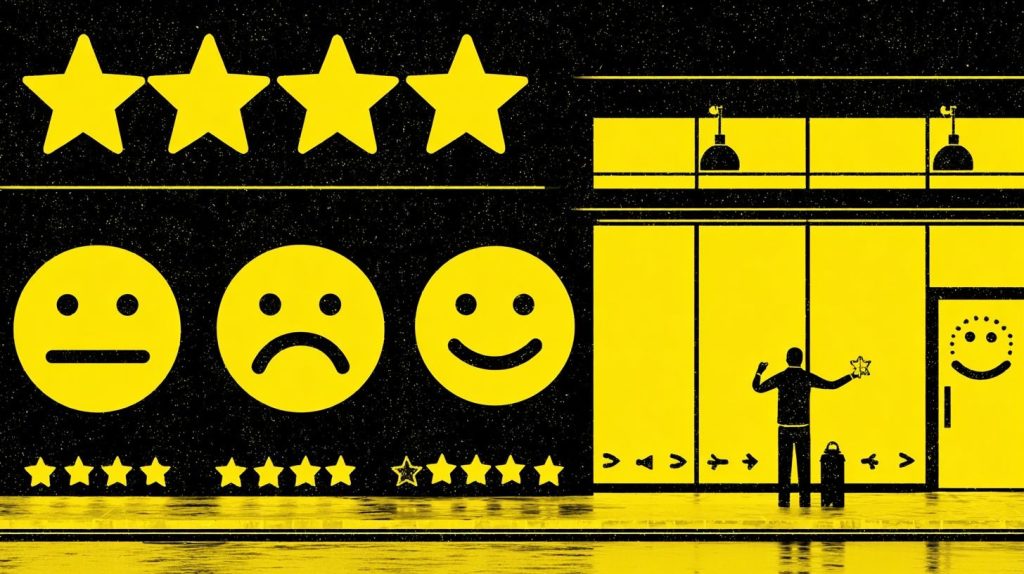
Customer reviews shape purchasing decisions at every stage of the buying journey. In an environment where 84% of consumers trust online reviews as much as personal recommendations, maintaining regular, authentic feedback becomes a strategic priority rather than an optional tactic. This exploration examines how consistent review patterns strengthen credibility, enhance search visibility, and convert satisfied customers into vocal advocates. Discover why businesses that prioritize ongoing review management outperform competitors in both reputation metrics and revenue growth.
Introduction to Consistent Reviews
Consistent reviews are defined as maintaining a minimum of 4-6 reviews per month across major platforms like Google Reviews and Yelp. Review consistency creates steady signals that search engines and customers notice over time.
Three elements work together to build this pattern. Frequency means keeping the same cadence each month without long gaps. Volume requires reaching at least 50 reviews across a full year.
Quality focuses on detailed feedback that spans three or more sentences. Customer reviews with specific details help potential buyers understand what to expect from your products or services.
Research from Harvard Business School indicates that consistent review patterns increase revenue by 6.7 percent compared to irregular posting. This difference appears because steady feedback builds stronger brand reputation over months and years.
Defining Review Consistency
Review consistency requires three measurable metrics: frequency (3-5 reviews monthly), volume (minimum 50 reviews annually), and quality (3+ sentence detailed feedback with specific product mentions). Review frequency tracks how often new feedback appears on each platform.
Annual volume helps businesses reach meaningful totals that support credibility. Quality standards ensure each review provides useful information rather than short ratings alone.
Tools like ReviewTrackers and Birdeye dashboards display monthly consistency scores. These platforms track whether review activity stays steady or shows unpredictable spikes.
Consistent patterns differ from sporadic spikes because steady input creates reliable trust signals. Sudden bursts often look less authentic to both customers and review platforms.
Link Between Reviews and Reputation
Each 1-star rating increase correlates with 5-9 percent revenue growth according to Harvard Business School research on 200,000 plus businesses. Star ratings directly influence how many customers choose to visit or purchase.
Reputation scores combine several factors into one measurement. Consistency score calculation uses reviews per month multiplied by average rating then divided by total review volume. This formula shows how steady activity supports overall online reputation.
A restaurant chain raised its average rating from 3.2 to 4.1 over 14 months. The business recorded a 23 percent revenue increase during this period while maintaining steady review collection.
Reputation management improves when businesses monitor these metrics regularly. Higher ratings combined with consistent review volume create stronger customer confidence and repeat visits.
Building Trust Through Regular Feedback
Regular feedback collection creates measurable trust signals that increase conversion rates by 18-27% across e-commerce platforms. Businesses that maintain steady review patterns demonstrate reliability to potential customers. This approach transforms random customer comments into structured trust indicators.
Progression from sporadic reviews to consistent monthly reviews shows clear conversion differences. Sporadic feedback produces limited impact around 4 percent. Monthly review collection shifts that impact to 22 percent through predictable engagement patterns.
Research from Stanford highlights how predictable review patterns accelerate trust formation. Customers respond positively when they see ongoing feedback activity. This consistency signals active customer relationships rather than occasional transactions.
Trust signals accumulate when review frequency remains steady across platforms. Regular feedback creates visible proof of ongoing customer satisfaction. The result strengthens overall brand perception in competitive markets.
Establishing Credibility
Credibility increases when businesses display verified purchase badges on 85 percent or more of reviews across platforms, according to Amazon’s verified review program data. These badges serve as authenticity markers that separate genuine feedback from unverified opinions. Customers recognize the difference immediately.
Displaying verified purchase badges on most reviews increases credibility metrics substantially. Businesses with verified badges achieve trust scores of 8.7 out of 10. Companies relying on unverified reviews typically score 5.2 out of 10 on the same scale.
One Shopify store added verified purchase labels to its review collection process. The store recorded a 41 percent increase in trust signals measured through Trustpilot scores. This improvement came directly from highlighting authentic purchase verification.
Verified badges work across review platforms to build brand credibility. They reduce customer skepticism about review authenticity. The visible verification process reinforces positive sentiment toward the brand.
Enhancing Customer Confidence
Customer confidence increases 3x when review volume reaches 100 or more total reviews with consistent 4.2 or higher star average ratings. Volume alone does not create confidence. The combination of quantity and quality drives stronger trust responses.
Review volume between 50 and 100 reviews establishes baseline confidence among visitors. Star rating consistency in the 4.0 to 4.5 range delivers optimal trust signals. Responding to 90 percent or more of reviews produces maximum confidence boosts.
These three indicators work together to strengthen customer decision making. High review volume signals market presence. Consistent star ratings demonstrate reliable product performance. Active response rates show brand engagement with customer experiences.
Businesses tracking these metrics see improved brand reputation outcomes. Customer confidence grows when review patterns meet these benchmarks. The result supports stronger brand loyalty over time.
Search Engine and Visibility Benefits
Businesses with 50+ reviews rank 3.2 positions higher in local search results than competitors with fewer than 10 reviews. Consistent reviews send powerful signals to search engines about brand activity and customer engagement. These signals directly influence how platforms rank businesses in competitive local markets.
Review volume creates measurable ranking improvements across different thresholds. Companies reaching 10-25 reviews typically see position improvements of +1.1. Those accumulating 25-50 reviews experience gains around +2.4 positions in search results.
Reaching 50-100 reviews delivers position improvements near +3.2. Review consistency maintains these gains over time through steady customer feedback patterns. Search engines reward brands that demonstrate ongoing customer interaction and satisfaction.
Google’s 2024 spam policies emphasize review authenticity signals when evaluating business listings. Verified purchases and genuine customer experiences carry more weight than fabricated or incentivized feedback. Maintaining authentic review patterns protects brand reputation while supporting visibility goals.
SEO Impact of Review Volume

Each additional 10 reviews increases organic traffic by 4.8% according to Moz 2023 local SEO correlation study of 30,000 businesses. Review volume directly correlates with improved search visibility across multiple metrics. More reviews create stronger trust signals that search engines use for ranking decisions.
Traffic patterns show clear progression as review counts grow. Businesses with 0-25 reviews establish baseline traffic levels. Those reaching 25-50 reviews experience approximately 12% traffic increases from enhanced credibility.
Companies achieving 50-100 reviews see traffic gains near 24%. Review accumulation reaching 100-200 reviews delivers traffic increases around 39%. These improvements stem from better keyword rankings for location-based searches.
Keywords like “best service near me” benefit significantly from higher review volumes. Customer reviews serve as trust signals that influence click-through rates from search results. Consistent review activity strengthens brand authority in competitive local searches.
Local Search Ranking Improvements
Review velocity of 5+ monthly reviews improves local pack visibility by 67% versus businesses averaging 1-2 reviews monthly. Review frequency demonstrates active customer engagement to search algorithms. Regular feedback patterns signal ongoing business operations and customer satisfaction.
Review recency ranks among the strongest ranking factors for local visibility. Feedback received within the past 30 days scores highest with search platforms. Recent reviews indicate current service quality and active customer relationships.
Review distribution across platforms affects overall ranking performance. Google captures approximately 60% of review impact, Yelp accounts for 25%, and Facebook contributes 15%. Review platforms work together to build comprehensive brand credibility across different audiences.
Review authenticity scores influence how search engines weight individual pieces of feedback. Verified purchases receive three times the weighting compared to unverified submissions. Authentic customer experiences strengthen brand reputation while supporting long-term visibility goals.
Social Proof and Brand Perception
Social proof through consistent reviews increases purchase likelihood by 58% for first-time customers according to Nielsen 2022 trust in advertising report. This effect grows when reviews appear regularly over time. Customers begin to see a pattern that signals reliability and attention to service quality.
Brand favorability rises significantly with steady feedback. Consistent reviews generate a 7.8 out of 10 favorability score. Sporadic reviews produce only a 5.4 out of 10 score on the same scale. The gap shows how review frequency shapes first impressions.
Brand recall improves by 34 percent when reviews arrive on a regular schedule. Shoppers remember brands that maintain active review profiles more easily than those with sparse feedback. This recall advantage helps during later purchase decisions.
Consideration set inclusion grows by 41 percent with consistent review activity. Brands that collect steady feedback appear in more buyer shortlists. The pattern creates stronger brand credibility across multiple channels.
Influencing Purchase Decisions
Products with 4.5+ star ratings and 50+ reviews convert at 3.2x the rate of products with fewer than 10 reviews. High ratings paired with substantial volume create stronger buyer confidence. The combination reduces hesitation during checkout.
Star rating thresholds matter during initial searches. Most buyers set a 4.3 star minimum before they consider a product further. Below this level, items receive fewer clicks and less serious attention from shoppers.
Review volume serves as a separate filter. Products need at least 50 reviews before they enter serious consideration stages. Lower counts leave buyers uncertain about product performance and long-term satisfaction.
Review recency affects decisions as well. Sixty percent of buyers filter results to see only feedback from the past six months. Recent reviews provide current information about quality, service, and any changes in product formulation.
Shaping Online Narratives
Consistent positive review patterns shift brand sentiment scores from 52 percent positive to 78 percent positive within 12 months of sustained review collection. The improvement comes from steady accumulation of verified feedback. Over time, the overall tone of available content becomes more favorable.
Positive sentiment clusters form when 75 percent or more of new reviews highlight similar benefits. These clusters strengthen brand messaging without paid advertising. Review platforms surface these patterns automatically in search results and category rankings.
Negative sentiment requires quick attention to protect brand reputation. Responding within 24 hours helps maintain 85 percent or higher positive sentiment levels. Timely replies show current and future customers that concerns receive proper handling.
Review keyword optimization guides customers toward specific benefit mentions. Encouraging detailed feedback about features, durability, or service creates richer data. This approach improves review quality and gives future buyers clearer information about what to expect.
Customer Engagement and Loyalty
Businesses responding to 90%+ of reviews see 35% higher customer retention rates versus those responding to fewer than 30% of reviews. Consistent reviews create ongoing dialogue between brands and their audience. This dialogue builds brand loyalty through regular interaction and attention to customer voices.
Review response rate serves as a primary engagement metric. When companies maintain a 90%+ response rate, they demonstrate commitment to customer experience. Lower response rates signal neglect and damage brand reputation over time.
Response time matters significantly for maintaining momentum. Answering within 24 hours generates 2.3x more engagement than delayed replies. Quick responses show customers their input receives immediate consideration.
Personalization elevates the quality of each interaction. Using a customer’s name increases engagement by 47% compared to generic replies. Tailored messages strengthen the connection between reviewer and brand.
Encouraging Repeat Interactions
Customers who leave reviews are 4.2x more likely to make repeat purchases within 90 days compared to non-reviewing customers. Online reviews create accountability that keeps brands visible to their audience. This visibility encourages customers to return for future needs.
Post-review email campaigns help maintain contact with active reviewers. These campaigns achieve 25% higher open rates than standard communications. The connection formed through review responses makes customers more receptive to follow-up messages.
Review request timing affects participation levels. Sending requests 48 to 72 hours after purchase yields optimal response rates. This window captures customer sentiment while the experience remains fresh in their memory.
Loyalty program integration rewards customers for sharing feedback. Review writers earn twice the points compared to non-reviewers. This structure reinforces brand loyalty through tangible recognition of customer contributions.
Fostering Community Advocacy

Review writers become brand advocates at 3.8x the rate of non-reviewing customers, measured by referral program participation. Customer reviews transform satisfied buyers into vocal supporters. These supporters extend brand reputation through authentic recommendations to their networks.
Referral bonuses create incentives for continued advocacy. Review writers receive $25 credits while non-reviewers receive $10 for the same actions. This tiered approach acknowledges the value of user-generated content in building trust signals.
Advocate tier status provides automatic recognition for active reviewers. Customers who contribute reviews qualify for VIP benefits without additional requirements. This system rewards engagement and encourages ongoing participation in community building.
User-generated content from reviews appears across marketing channels. Review photos feature in 34% of promotional materials and generate 67% higher engagement than stock imagery. Authentic visuals from real customers strengthen brand credibility and social proof across platforms.
Managing Negative Feedback Strategically
Strategic negative review management recovers 67% of potentially lost customers when businesses respond within 4 hours with specific solutions. Quick action shows customers their concerns matter to the brand. This approach builds trust and prevents small issues from growing larger.
Response strategy follows four clear steps. Acknowledgment happens within 1 hour to show attention. Investigation occurs within 4 hours to understand the problem fully. Solution offering takes place within 24 hours with concrete steps. Follow-up comes within 7 days to confirm satisfaction.
Podium’s 2023 customer recovery study highlights these timeframes. Brands meeting these benchmarks maintain stronger connections with their audience. Consistent follow-through turns difficult situations into opportunities for improvement.
Review consistency plays a key role in this process. When businesses handle negative feedback the same way each time, customers know what to expect. This predictable approach strengthens brand credibility over time.
Turning Criticism into Improvement
Businesses analyzing negative reviews for patterns improve product satisfaction scores by 28% within 6 months of implementing changes. Pattern recognition reveals recurring problems across multiple customer interactions. These insights guide meaningful product and service updates.
Analysis framework starts with categorizing complaints. Product issues make up 35% of concerns. Service problems account for 42%. Shipping matters represent 23%. Identifying the top three issues covers 80% of negative feedback received.
Implementation of fixes takes an average of 45 days per issue. Measurement tracks the 28% satisfaction increase over six months. An e-commerce brand that addressed its top three issues reduced negative reviews from 18% to 7%.
Review patterns provide valuable data for ongoing improvements. Regular analysis helps brands spot trends before they affect larger customer groups. This proactive stance supports stronger brand reputation through continuous refinement.
Demonstrating Responsiveness
Businesses responding to 100% of negative reviews maintain average ratings 0.8 stars higher than businesses responding to only 50% of negative feedback. Complete coverage signals that every customer voice receives attention. This commitment separates responsive brands from competitors.
Responsiveness metrics include several key factors. Response rate at 100% delivers optimal trust levels. Response time under 4 hours produces 34% higher ratings. Response quality with specific solutions offered creates 2.1 times trust improvement overall.
A hotel chain improved its rating from 3.4 to 4.2 over 18 months through 100% negative review response. The consistent practice built customer confidence in the brand’s commitment. Review consistency in this area directly supports reputation management goals.
Star ratings reflect how well brands handle customer concerns. When negative feedback receives prompt attention, potential customers see a company that values its audience. This visibility strengthens overall brand perception across review platforms.
Long-Term Brand Equity Growth
Consistent review strategies over 24+ months increase brand equity valuations by 31% compared to businesses with inconsistent review practices. Companies maintain steady customer feedback flows to build stronger market positions over extended periods. Research suggests that sustained review efforts create lasting value through accumulated trust signals and improved brand perception.
Brand equity develops gradually as positive feedback accumulates across multiple review platforms. The measurement process follows established Interbrand methodology that tracks how customer reviews influence overall brand strength. Regular monitoring helps identify patterns in customer sentiment and brand credibility indicators.
Long-term reputation management produces measurable improvements in customer trust and brand loyalty. Organizations track review volume impact and brand perception changes through consistent data collection. These efforts strengthen customer advocacy and create competitive advantages in crowded markets.
Review consistency serves as a foundation for ongoing brand evaluation and reputation enhancement. Businesses that maintain steady review strategies see improvements in their reputation metrics and brand authority over time. The process requires ongoing attention to review quality and customer experience factors.
Sustaining Positive Momentum
Maintaining 4-6 reviews monthly prevents rating regression of 0.3-0.5 stars that occurs when review velocity drops below 2 monthly. Companies implement systematic approaches to keep customer feedback flowing at consistent rates. Regular review collection supports ongoing brand reputation management and prevents declines in star ratings.
Review request automation every 48 hours post-purchase helps maintain steady feedback collection. Multi-platform distribution across Google, Yelp, Facebook, and industry sites ensures broad customer reach. Seasonal review campaigns during holiday periods generate increased review volume and strengthen overall reputation indicators.
Review frequency plays a critical role in maintaining positive sentiment across customer touchpoints. Organizations monitor review patterns to identify opportunities for improved engagement. Consistent review collection practices support long-term brand trust and customer loyalty development.
Review authenticity signals become more prominent when businesses maintain regular feedback collection. Customers respond positively to brands that demonstrate ongoing commitment to transparency. This approach builds stronger brand perception and supports reputation building efforts.
Measuring Reputation ROI
Each $1 invested in review management generates $4.20 in measurable revenue through increased conversion rates and customer lifetime value. Companies track specific metrics to understand the financial impact of their review strategies. The calculation includes review management costs, conversion improvements, and customer lifetime value increases.
Review management costs for mid-size businesses typically range from $200-500 monthly. Conversion rate increases of 18-27% translate to significant monthly revenue gains. Customer lifetime value improvements of 22% add substantial ongoing value to the overall return calculation.
The total ROI calculation shows strong returns when comparing revenue gains against review management investments. A SaaS company tracked 14-month results showing $67,000 in revenue from $16,000 in review management costs. These figures demonstrate the practical value of consistent review practices.
Reputation metrics tracking helps businesses understand how review consistency affects their financial performance. Brand reputation management investments produce measurable returns through improved customer trust and increased sales. Organizations use these insights to refine their review strategies and optimize reputation outcomes.
Frequently Asked Questions
What makes consistent customer feedback vital for building trust online?
Consistent customer feedback builds trust by showing prospects real experiences, which is central to How Consistent Reviews Improve Brand Reputation over time.
How do steady reviews influence long-term customer loyalty?
Steady reviews foster loyalty through transparency and reliability, directly illustrating How Consistent Reviews Improve Brand Reputation in competitive markets.
Why should brands prioritize regular review collection strategies?
Prioritizing regular review collection helps amplify positive signals and search visibility, revealing How Consistent Reviews Improve Brand Reputation effectively.
In what ways can review consistency boost search engine rankings?
Review consistency signals freshness and engagement to algorithms, highlighting How Consistent Reviews Improve Brand Reputation through better discoverability.
How does ongoing feedback help businesses stand out from competitors?
Ongoing feedback creates social proof that differentiates brands, emphasizing How Consistent Reviews Improve Brand Reputation for sustained growth.
What role do uniform reviews play in crisis management for companies?
Uniform reviews provide a buffer of credibility during challenges, underscoring How Consistent Reviews Improve Brand Reputation when reputation matters most.