
In the reputation-driven marketplace, a single negative review can cost businesses up to 30 customers, per BrightLocal research. Mastering review management across 10+ platforms like Google Business Profile, Yelp, and Facebook is essential for trust and growth.
Discover proven workflows for monitoring, smart response strategies for positive and negative feedback, proactive generation, analytics, and multi-location scaling-unlocking the right way to dominate your online reputation.
Why Review Management Matters
Businesses with 4+ star ratings see higher customer conversions according to a 2023 BrightLocal study, making review management a vital practice. The BrightLocal Local Consumer Review Survey notes that 82% of consumers trust online reviews as much as personal recommendations. This trust drives decisions across industries like retail and hospitality.
A restaurant chain boosted revenue after improving its Google rating from 3.8 to 4.5 stars through consistent review response and review generation. Such efforts highlight the ROI of managing reviews on platforms like Google, Yelp, and Facebook. Positive shifts in star ratings attract more foot traffic and online orders.
Effective reputation management enhances local SEO, increases map pack visibility, lifts conversions, and improves retention. Tools for review monitoring and sentiment analysis help businesses track feedback across 10+ platforms. Responding to negative reviews turns critics into advocates, fostering customer loyalty.
Experts recommend a review strategy that includes review solicitation and review automation for scalable growth. Centralized review dashboards simplify multi-platform reviews, providing insights into trends and competitor benchmarks. This approach builds social proof and supports long-term brand reputation.
Top 10+ Platforms to Monitor
Monitor 12+ platforms covering most customer reviews, from Google Business Profile with billions of monthly searches to niche sites like Healthgrades. Effective review management requires tracking these sites for multi-platform reviews. Prioritize based on your industry and review velocity.
Group platforms into categories like General for broad reach, Retail for product feedback, Travel for hospitality, and Services for local businesses. Use review aggregation tools to centralize monitoring across these. This setup supports reputation management and quick review response.
Focus on high review volume sites first for maximum review impact. Platforms with APIs enable review automation and sentiment analysis. Track star ratings and response rates to build social proof.
| Platform | Category | Monthly Active Users | Review Volume | Response Rate Importance | API Available | Priority Ranking |
| Google Business Profile | General | High | Very High | Critical | Yes | 1 |
| General | 1.8B users | High | High | Yes | 2 | |
| Amazon | Retail | High | Very High | Medium | Yes | 3 |
| Yelp | Services | High | 178M reviews | Critical | Yes | 4 |
| TripAdvisor | Travel | High | High | High | Yes | 5 |
| BBB | Services | Medium | Medium | High | No | 6 |
| Healthgrades | Healthcare | 15M visits | Medium | Critical | Yes | 7 |
| Vitals | Healthcare | Medium | Medium | High | No | 8 |
| Booking.com | Travel | High | High | High | Yes | 9 |
| Cars.com | Automotive | Medium | Medium | Medium | Yes | 10 |
| DealerRater | Automotive | Medium | Medium | High | Yes | 11 |
| G2 | SaaS | Medium | Medium | High | Yes | 12 |
Google Business Profile
Google reviews drive many local search decisions, with top map pack spots favoring strong star ratings. Businesses need review monitoring here for local SEO reviews. Use GBP Insights to track key metrics.
Follow these 5 optimization steps for better review generation. First, claim and verify your GBP listing. Second, complete all profile sections for higher visibility.
- Claim and verify your Google Business Profile listing to control content.
- Fill all 10 profile sections, including hours and services, to boost click-through.
- Add 15+ photos weekly to engage searchers.
- Respond to reviews within 24 hours for better engagement.
- Use structured review requests via QR codes for easy solicitation.
Track GBP Insights metrics like views, searches, and actions. This supports review analysis and review strategy. Adjust based on review velocity for ongoing reputation management.
Yelp and Facebook
Yelp’s detailed reviews shape local service choices while Facebook reviews boost B2C trust through social proof. Both demand timely review response for online reputation. Compare their unique traits for cross-platform management.
Yelp features in-depth feedback, tough negative review removal, and heavy mobile use. Facebook offers easier moderation and vast reach. Tailor strategies like Yelp’s Elite program participation or Facebook’s review moderation settings.
Use these response templates. For Yelp negatives: “Thank you for your feedback on our service. We’ve updated our process to address this.” For Facebook: “We appreciate your input and have resolved the issue.” A case study shows a business recovering from 0.5-star Yelp rating via consistent replies and improvements.
Monitor review alerts on both for review recovery. Integrate via APIs for centralized reviews. This builds review scores and customer loyalty.
Industry-Specific Sites
Healthcare businesses track Healthgrades for patient feedback while e-commerce monitors Trustpilot with Amazon. Prioritize by industry review volume for targeted review monitoring. Compliance like HIPAA matters in sensitive sectors.
Key platforms include Healthcare: Healthgrades, Vitals; Hospitality: TripAdvisor, Booking.com; Automotive: Cars.com, DealerRater; SaaS: G2, Capterra. Setup involves claiming profiles and enabling notifications. Use review dashboard for oversight.
- For Healthcare on Healthgrades: Claim profile, verify credentials, respond to reviews per HIPAA guidelines.
- Hospitality on TripAdvisor: Complete listing, add photos, encourage post-stay reviews.
- Automotive on DealerRater: Integrate API, monitor dealer ratings, reply promptly.
- SaaS on G2: Optimize grid listing, solicit verified reviews, track competitor benchmarks.
Focus on platform-specific reviews for review SEO and visibility. Aggregate data for review insights across verticals. This drives review-driven growth tailored to your market.
Building Your Review Management Stack
Top review management tools aggregate 15+ platforms into single dashboards, reducing monitoring time per G2 benchmarks. These solutions handle multi-platform reviews from Google reviews, Yelp reviews, Facebook reviews, and more. Businesses gain centralized reviews for better reputation management.
Choose tools based on your needs for review aggregation, response automation, and analytics. Small teams benefit from affordable options with core features. Enterprises require scalable infrastructure for high-volume reviews across locations.
A strong stack supports review generation, solicitation, and moderation. Integrate with Zapier for custom workflows. Track review trends and sentiment analysis to improve online reputation.
Evaluate pricing, platform connectors, and support. Test free trials to match your review strategy. Focus on tools that boost review velocity and customer feedback loops.
| Tool | Price | Platforms | Key Features | Best For | Pros/Cons |
| Birdeye | $299/mo | 200+ integrations | AI responses, sentiment analysis, review syndication | Multi-location businesses | Pros: Broad platform coverage, AI tools. Cons: Higher cost for small teams. |
| Podium | $399/mo | Texting-focused, major platforms | SMS review requests, real-time alerts, payment integration | Local service SMBs | Pros: High engagement via text. Cons: Limited to texting-heavy workflows. |
| ReviewTrackers | $59/location | 20+ platforms | Review monitoring, analytics reports, multi-location support | Franchises, chains | Pros: Affordable per site. Cons: Setup time for many locations. |
| Reputation.com | $149/mo | 50+ sites | Review response templates, competitive analysis, SEO tools | Mid-size firms | Pros: Strong reporting. Cons: Less AI automation. |
| GatherUp | $99/mo | 30+ platforms | Feedback loops, survey management, testimonial widgets | Customer loyalty focus | Pros: Easy review incentives. Cons: Fewer enterprise features. |
| NiceJob | $99/mo | Key directories | Review funnels, badges, social proof sharing | Service providers | Pros: Simple UI, mobile access. Cons: Narrow platform range. |
Birdeye suits SMBs with its 200+ integrations and AI for quick responses to Google and Yelp reviews. Podium excels for enterprises needing SMS review requests to drive high response rates. SMBs prefer Birdeye’s affordability, while larger operations value Podium’s scalable texting.
Essential Tools Overview
Essential stack includes aggregation with Birdeye, response automation via Podium, and analytics from ReviewTrackers covering most use cases. This combination manages 10+ platforms efficiently. Teams centralize Google reviews, Facebook reviews, and TripAdvisor feedback.
Birdeye starts at $299/mo with tiers up to enterprise levels, low setup complexity. It offers 200+ platform integrations and AI-generated responses. Use it for review monitoring and syndication across locations.
Podium at $399/mo includes SMS tools for review solicitation, medium setup complexity. Send texts post-service for quick 5-star Google reviews. Pair it with Birdeye for full coverage.
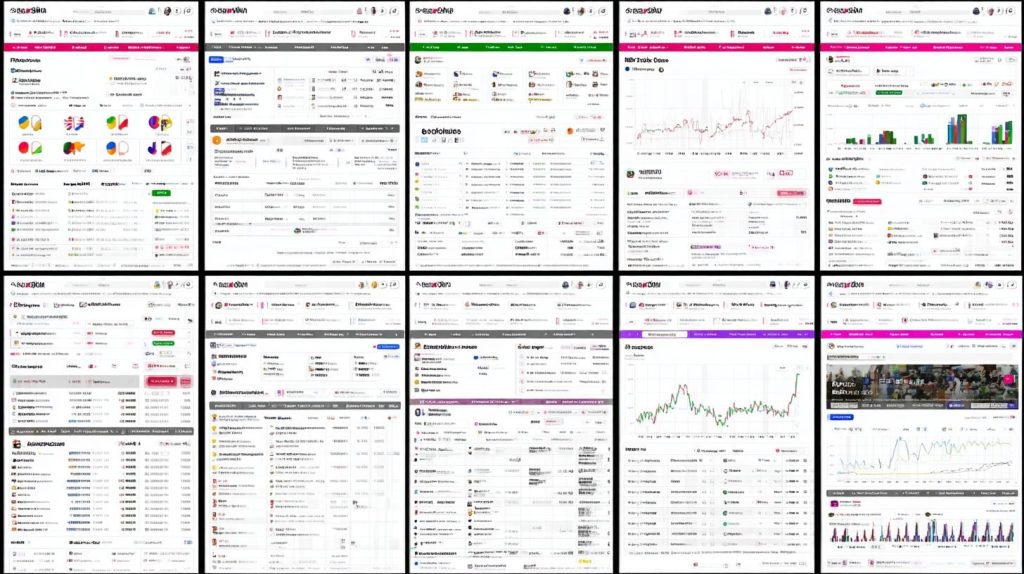
Free options like Google Alerts + Mention handle basic monitoring, zero cost, simple setup. Zapier at freemium tiers connects workflows, low complexity for review alerts. Google Sheets + Looker Studio provide free analytics with charts for review scores and trends.
Implement this stack for review automation and insights. Start with Birdeye dashboard, automate via Zapier, analyze in Looker. Scales from SMB review management to enterprise needs.
Daily Review Monitoring Workflow
Implement 15-minute daily workflow scanning 12 platforms using Birdeye dashboard + Slack alerts for new 1-3 star reviews. This approach centralizes review monitoring across Google reviews, Yelp reviews, Facebook reviews, and more. It ensures timely review response to maintain online reputation.
Start your day with a quick dashboard check in tools like Birdeye or Podium. These platforms offer review aggregation and real-time alerts for multi-platform reviews. Mobile apps make it easy to manage reviews on the go.
Follow a structured 7-step workflow to handle customer reviews efficiently. Each step includes time estimates for scalability. Use sentiment analysis and automation to spot trends early.
Recommended mobile apps include Birdeye and Podium for push alerts and quick responses. Integrate with Slack for instant notifications on negative feedback. This keeps your reputation management proactive across 10+ platforms.
7-Step Daily Workflow
- 8AM Dashboard Check (Birdeye/Podium) – 2 minutes: Log into the review dashboard to scan centralized reviews from 12 platforms. Review star ratings and new customer feedback. Set up review alerts for immediate visibility.
- Respond to Negatives <2hrs – 5 minutes: Prioritize 1-3 star reviews with personalized replies. Use review templates for speed, like “We’re sorry for your experience. Please contact us to resolve.” Aim for quick review recovery.
- Flag Trends via Sentiment Analysis – 2 minutes: Run AI review tools to identify patterns in feedback. Note recurring issues like service delays. Log insights for review analysis and team action.
- Request 5 New Reviews via SMS – 3 minutes: Send review solicitation texts to recent customers, e.g., “Loved your visit? Share on Google!” Track review generation to boost positive volume.
- Update Google Business Profile Photos – 2 minutes: Add fresh images to enhance local SEO reviews. Visuals encourage more Google reviews and improve profiles.
- Log Responses in CRM – 1 minute: Record all review responses with tags for follow-up. Integrate with CRM for review workflow and customer history.
End with prep for weekly executive summary – Compile notes daily (included in 15 minutes). This review monitoring routine supports scalable reputation management. Adjust for multi-location reviews as needed.
The Art of Responding to Reviews
Businesses responding to 100% of reviews see higher ratings, with responses under 24 hours improving customer satisfaction. This approach builds trust across review platforms like Google, Yelp, and Facebook. Effective review response turns feedback into loyalty.
Response psychology relies on empathy plus action to connect with reviewers. Show understanding of their experience, then outline steps taken. This combination fosters satisfaction and encourages positive updates.
Use AI response templates from tools like Podium or Birdeye for quick, consistent replies. These adapt to sentiment analysis, saving time in multi-platform reviews. Customize them to match your brand voice across 10+ platforms.
Experts note that most customers check business responses before deciding. Aim for replies within the 24-hour window to show care. Tailor tone by platform, such as professional for Google and conversational for Yelp.
Positive Review Strategies
Amplify 5-star reviews across website, email signatures, and social using review widgets to boost conversions. Share these gems to build social proof and attract new customers. Integrate them into your reputation management strategy.
Follow these six strategies to maximize positive feedback:
- Embed Google reviews with widgets like Elfsight for site visibility.
- Create video testimonials for YouTube or landing pages.
- Add ‘As seen on’ badges from platforms like Trustpilot.
- Include review links in email signatures.
- Build social proof carousels on Instagram or Facebook.
- Convert reviews into detailed case studies.
Here are three response templates for thanking reviewers:
- Thank you for the kind words on our service at XYZ Cafe! Your feedback means a lot. Would you share this on social media?
- We’re thrilled you loved the product. Thanks for the 5 stars! Please consider posting a quick video testimonial.
- Grateful for your glowing review. It helps others discover us. Tag a friend who might enjoy this too!
Handling Negative Feedback
Convert low-star reviewers to advocates through proper response protocols in your review management workflow. Address issues promptly to protect online reputation. This turns negatives into opportunities for improvement.
Use this five-step framework for negative reviews:
- Acknowledge the issue within two hours via review alerts.
- Apologize specifically for what went wrong.
- Offer a private resolution, like a refund or follow-up call.
- Request an update after fixing the problem.
- Send a follow-up survey for feedback.
Tailor responses by platform. Here are eight templates:
- Google: We’re sorry your order arrived late. We’ve issued a full refund privately. Please update if resolved.
- Yelp: Regret the poor service experience. Contact us at [email protected] for a complimentary visit.
- Facebook: Thank you for flagging this. DM us details for quick resolution.
- TripAdvisor: Apologies for the room issue. We’ve comped your next stay. Thoughts after check-in?
- Trustpilot: Sorry for the delay. Replacement shipped today with tracking.
- BBB: We value your input. Resolution offered via private message.
- Apple: Addressing your app glitch now. Update coming soon, plus free premium access.
- Amazon: Product didn’t meet expectations? Return label sent. Feedback helps us improve.
In one case, an airline faced a viral complaint about lost luggage. They replied publicly with empathy, resolved it privately in hours, and the reviewer updated to 5 stars, praising their review recovery efforts.
Proactive Review Generation
Generate 3x more reviews using SMS campaigns versus email according to Podium benchmarks. This approach boosts review generation by reaching customers quickly after service. It fits into a solid review strategy for managing reviews across 10+ platforms.
SMS tools like Podium SMS with QR code table tents make it simple for customers to leave feedback. Place these tents on tables in restaurants or reception desks in salons. Customers scan and review on the spot, increasing review volume naturally.
Combine this with post-service emails using Klaviyo templates for a multi-channel push. These emails thank customers and include direct review links. This method supports review solicitation while building customer loyalty.
Track results in your review dashboard to refine tactics. Proactive steps like these enhance online reputation and drive more positive reviews across Google, Yelp, and Facebook.
7-Channel Review Generation Tactics
Implement these seven channels for effective review generation. Each targets different customer touchpoints to maximize review velocity. This multi-platform approach ensures high-volume reviews without overwhelming any single method.
1) Podium SMS with QR code table tents captures instant feedback. Customers scan a code right after service and rate on their phone. It’s perfect for quick-service businesses like cafes.
2) Post-service emails via Klaviyo templates send personalized thank-yous with review buttons. Time them 24 hours post-visit for best response. Use “How was your experience?” as a simple prompt.
3) Review pages using Trustmary funnels guide users through video testimonials and star ratings. Embed these on your site for seamless review funnels. They convert visitors into reviewers effectively.
4) Employee incentives like $5 Starbucks cards motivate staff to ask for reviews. Reward them for verified submissions, fostering a review culture. Tie it to team goals for buy-in.
5) Referral programs link reviews to rewards like discounts. Customers review after referring friends, boosting both referrals and reviews. Track via unique codes in your review software.
6) Google review shortcuts use short links shared in receipts or apps. They bypass search and go straight to your Google My Business page. This spikes Google reviews quickly.
7) Facebook check-in prompts encourage tagging your business during visits. Post-stay messages remind users to review. It amplifies Facebook reviews through social proof.
Legal Compliance Checklist
Follow strict review guidelines to avoid penalties on major platforms. Never offer incentives for reviews on Google or Yelp, as this violates their policies. Focus on genuine customer feedback instead.
- Disclose any incentives clearly for platforms that allow them, like your own site.
- Avoid scripting review content to ensure review authenticity.
- Do not pay for reviews or fake accounts, risking account suspension.
- Comply with FTC guidelines on endorsements and testimonials.
- Monitor for fake reviews and report them promptly.
Use this checklist in your review workflow for safe review management. It protects your brand reputation while scaling proactive review generation across 10+ platforms. Experts recommend auditing requests quarterly.
Analytics and Performance Tracking
Track 12 KPIs including response time (target <24hrs), sentiment score (>75%), and review velocity (+10%/month) to measure your review management success across 10+ platforms.
These metrics help you monitor review trends and adjust your strategy for Google reviews, Yelp reviews, and others. Focus on review analysis to spot patterns in customer feedback.
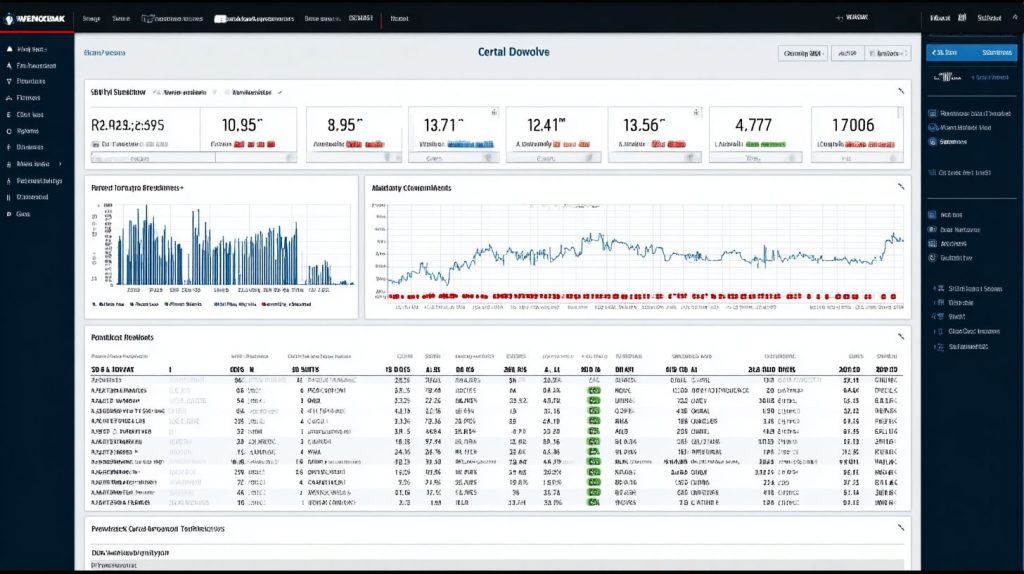
Build a KPI dashboard in tools like Looker Studio for real-time insights into multi-platform reviews. Set up weekly reporting to keep your team aligned on reputation management goals.
12 Essential KPI Dashboard Metrics
Create a centralized review dashboard with these 12 metrics for comprehensive review monitoring. This template tracks performance across platforms like Facebook reviews, TripAdvisor reviews, and Trustpilot reviews.
| Metric | Description | Target Goal |
| Star rating trend | Average star ratings over time | Steady increase |
| Response rate | Percentage of reviews with replies | 100% |
| Sentiment score (MonkeyLearn) | AI-driven positive/negative analysis | >75% |
| Review volume | Total new reviews per period | Growing monthly |
| Competitor benchmark | Comparison to rivals’ scores | Outperform peers |
| Conversion impact | Reviews linked to sales uplift | Positive correlation |
| Response time | Average hours to reply | <24hrs |
| Review velocity | Rate of new review influx | +10%/month |
| Resolution rate | Negative reviews turned positive | High recovery |
| Sentiment trend | Shift in overall sentiment | Improving |
| Platform distribution | Reviews by platform share | Balanced coverage |
| ROI from reviews | Revenue per review generated | Trackable growth |
Use this Looker Studio template to visualize data from review platform integrations. Customize charts for star ratings and sentiment analysis to support review-driven decisions.
Weekly Reporting Cadence and ROI Calculator
Adopt a weekly reporting cadence to review key metrics like review volume and response rates. Share summaries via email digests or Slack integration for your review team.
Implement an ROI calculator to connect reviews to revenue, such as tracking how positive Amazon reviews boost conversions. Input review counts and average order value for quick insights.
Reference benchmarks from 50,000+ businesses to gauge your review performance. Experts recommend comparing against industry averages for competitive review analysis and goal setting.
For example, calculate ROI by linking high-volume reviews on Google My Business to local SEO improvements and sales lifts. This approach drives review optimization and business growth.
Scaling Across Multiple Locations
Multi-location chains use Birdeye’s location groups to manage 500+ Google profiles from a single dashboard. This approach centralizes review management across 10+ platforms like Yelp, Facebook, and TripAdvisor. It simplifies oversight for chains with 5 to 500 locations.
A scaling framework starts with enterprise tools like Birdeye Enterprise at $499+ per month. These platforms offer review aggregation and multi-platform integration. They handle high-volume reviews without losing track of individual site performance.
Assign location managers with role-based access to monitor their sites. Use standardized response templates for consistent review responses. Integrate automated review requests through POS systems to boost review volume across locations.
Set up benchmarking leaderboards to track star ratings and response times. This fosters competition and improves overall online reputation. One 250-location franchise raised its chain rating by 0.7 stars using this method.
Centralized Tools for Enterprise Review Management
Centralized review tools unify data from Google My Business, Yelp reviews, and more into one dashboard. For chains with 5-500 locations, this eliminates manual logins to multiple platforms. Birdeye Enterprise supports scalable infrastructure for high-volume reviews.
Features like review monitoring and sentiment analysis provide real-time insights. Admins view multi-location reviews with filters for specific sites or categories. This setup aids review analysis and quick decision-making.
API integrations and platform connectors ensure review syndication across 10+ platforms. Custom reports and data visualization track review trends. Experts recommend these tools for maintaining NAP consistency and local SEO reviews.
Location Managers with Role-Based Access
Empower location managers through role-based access in review software. They handle site-specific tasks like responding to negative reviews without seeing chain-wide data. This balances autonomy with centralized control for 5-500 locations.
Permissions control access to review dashboards, alerts, and reporting. Managers focus on review recovery and positive review generation at their stores. It streamlines workflows for franchise management.
Collaboration tools enable team permissions and audit trails. Review teams communicate via integrated notifications. This structure supports scalable review management across multi-brand portfolios.
Standardized Response Templates and Automation

Standardized response templates ensure brand-consistent replies to customer reviews. Tailor them for positive reviews, negative reviews, or platform-specific needs like TripAdvisor. This speeds up review response times for busy chains.
Automated review requests via POS integration trigger post-purchase prompts. Customers receive links to leave Google reviews or Facebook feedback. Review automation increases review velocity without extra staff effort.
AI review tools suggest personalized responses from templates. Set review guidelines for authenticity and compliance. This framework aids review moderation and review incentives across locations.
Benchmarking Leaderboards and Performance Tracking
Review leaderboards rank locations by star ratings, response rates, and review volume. They motivate managers in chains of 5-500 sites to prioritize reputation management. Track competitive review analysis for benchmarking.
KPIs like resolution rates and sentiment scores appear in real-time dashboards. Goal setting reviews drive continuous improvement in customer feedback. Use charts for review insights and trends.
The 250-location franchise case study shows leaderboards lifting average scores. Locations with top rankings shared best practices for review prompts. This built a review culture focused on growth and loyalty.
Frequently Asked Questions
Why is it important to manage reviews across 10+ platforms effectively?
Managing reviews across multiple platforms improves your online reputation, strengthens customer trust, and supports better local SEO performance. A centralized review management strategy ensures faster responses, better customer engagement, and consistent communication across all channels.
How does Review Management: The Right Way to Manage Reviews Across 10+ Platforms save time?
A proper review management system automates review alerts, response workflows, and reporting. Instead of logging into each review site individually, businesses can monitor and respond to all reviews from a single dashboard, significantly reducing manual effort and improving efficiency.
What are the best practices for managing reviews across multiple platforms?
Effective review management involves responding to reviews within 24 hours, personalizing every response, monitoring customer sentiment, encouraging satisfied customers to leave reviews ethically, and regularly tracking metrics such as review volume, average rating, and response rate.
Can review management improve local SEO rankings?
Yes. Consistent review activity, timely responses, and positive customer feedback can improve local SEO visibility. Search engines often consider review quantity, quality, and engagement when ranking local businesses in search results.
How often should businesses respond to customer reviews?
Businesses should ideally respond to all reviews within 24 hours. Quick responses show customers that their feedback is valued and demonstrate strong customer service practices.
Is it necessary to respond to negative reviews?
Absolutely. Responding professionally to negative reviews helps protect your brand reputation, shows accountability, and gives businesses an opportunity to resolve customer concerns publicly.
What features should I look for in a review management tool?
Key features include multi-platform integration, real-time alerts, automated workflows, sentiment analysis, analytics reporting, team collaboration tools, and customizable response templates for efficient review handling.